
Bridges to impact through innovative EdTech: Forging links between policy, research and practice

Bridges to impact through innovative EdTech
Credit
Educate A Child

Project Abstract

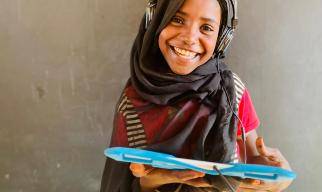
This project explored how digital personalised learning (DPL) solutions can be adapted and scaled to improve education access and quality for refugee and displaced children in conflict-affected settings. Led by War Child Alliance, the initiative focused on the proven EdTech programme Can’t Wait to Learn and the complementary caregiver engagement model SchoolLinks.

Evidence showed that Can’t Wait to Learn significantly improved foundational literacy and numeracy, especially for girls and children with disabilities. The project also demonstrated how strategic partnerships, cost-effectiveness analysis, and policy engagement can drive sustainable adoption of EdTech innovations in low-resource contexts. 

Project Details

Completed
Implementing Organization(s):

Implementing Countries:

Duration:

42 months

End Date:

Sep 2024

Project Impacts: Policy and Practice

The project led to policy and practice changes in all three countries, with strong evidence uptake by governments:

Uganda

  • A cluster randomized controlled trial (cRCT) showed significant gains in literacy (d=0.32) and numeracy (d=0.25).
  • The Isingiro District Local Government adopted and now manages Can’t Wait to Learn, supported by a sustainability plan.
  • SchoolLinks improved attendance and strengthened caregiver-school relationships.

Chad

  • Girls closed the learning gap with boys within 4.5 months of programme participation.
  • The Ministry of National Education and Civic Promotion endorsed Can’t Wait to Learn and appointed a national focal point.
  • Costing analysis informed implementation adjustments to improve efficiency.

Sudan

  • Despite conflict and implementation challenges, a policy network analysis was completed.
  • Findings contributed to understanding the EdTech ecosystem and barriers to scale.

Across all three countries, policy network analyses highlighted the importance of EdTech strategies, cross-sector partnerships, and local ownership for successful scale-up. 

“Now I believe she will improve… despite the disability, when she continues progressing, she will be in a better position in the days to come.”
Caregiver, Uganda