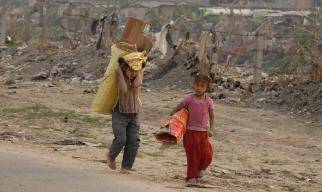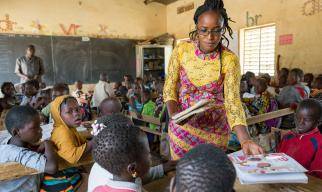
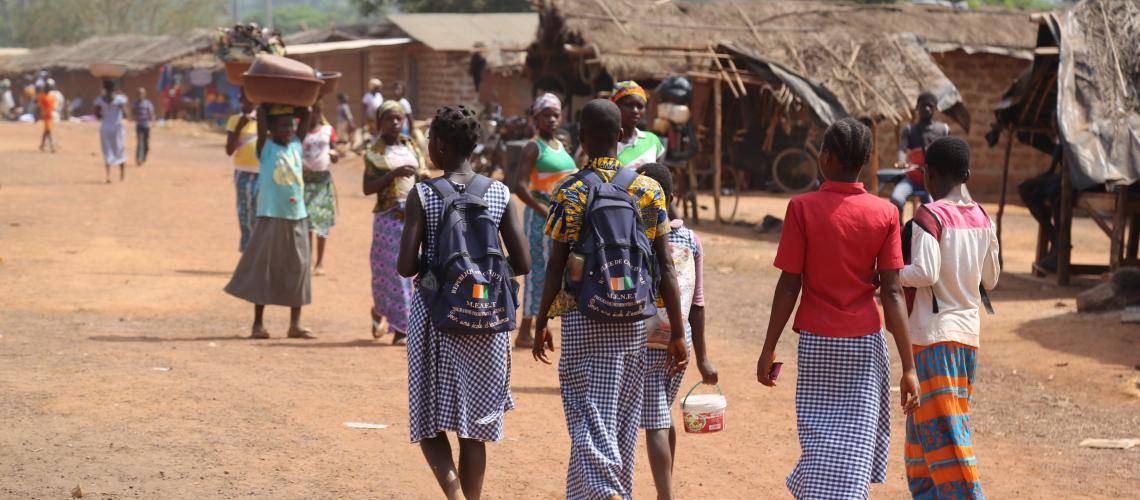
This project aims to improve options to integrate young people who are out of the school system in West Africa back into school, as well as offer better educational opportunities to those who will not return.
Many children in West Africa are out of school because of multiple types of crises: security issues, socio-political troubles, health and environmental problems. The project is based on proven non-formal education practices and innovations that serve as bridges integrating out-of-school children and youth back into the formal education system. For those young people who are not likely to return to formal school, the project will also identify and test alternative options to support literacy and basic education. It will identify critical success factors of these educational experiences and adapt them to generate a new model, one that offers bilingual bridging options for those out of school. The project will both examine the approaches and their implementation, as well as the institutional management of these alternative educational options. The project will propose a pathway for scaling up the model in six countries. It will be implemented by a consortium of three organizations that bring different and complementary expertise, the Foundation Karanta, the Forum for African Women Educationalists (FAWE), and the Educational Research Network for West and Central Africa (ERNWACA).
Project Abstract
Implementing Organizations: Foundation Karanta (Lead), Forum for African Women Educationalists (FAWE), Educational Research Network for West and Central Africa (ERNWACA)
Project Leader:Hourétou Diallo
Implementing Countries: Burkina Faso, Côte d'Ivoire, Guinea, Mali, Niger, Senegal
Main Theme: Out-of-school Children and Youth
Duration: 33 months
Updates and Activities