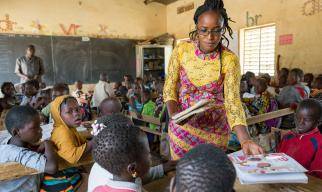
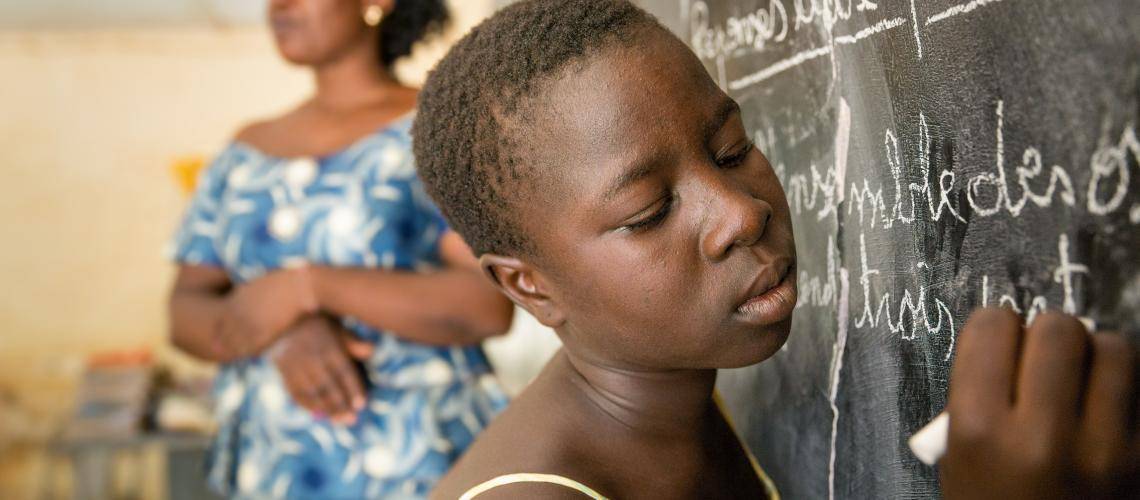
For the last three decades, the retention and the success of girls in schools in Africa have been top priorities on the agenda of both governments and global development agencies. However, and despite the expenditure of substantial financial resources to support the formulation of policies and interventions, the results obtained have been disappointing. Exclusions based on cultural norms, systemic and structural barriers continue to constitute major obstacles.
This project seeks to bring about a better understanding of how gender norms across society and institutions such as schools undermine or promote girls’ experience and success in formal education to drive effective change that allows girls to go to school, remain there and succeed.
Through participatory, innovative, and adaptive approaches, the project will investigate key innovations on gender equality, and analyze contextual factors that influence the integration of gender equality into education systems. Data on innovations and gender norms will inform knowledge mobilization and capacity strengthening strategies in Burkina Faso, Chad, Democratic Republic of the Congo and Sao Tome and Principe.
Project Stats