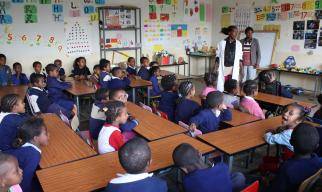
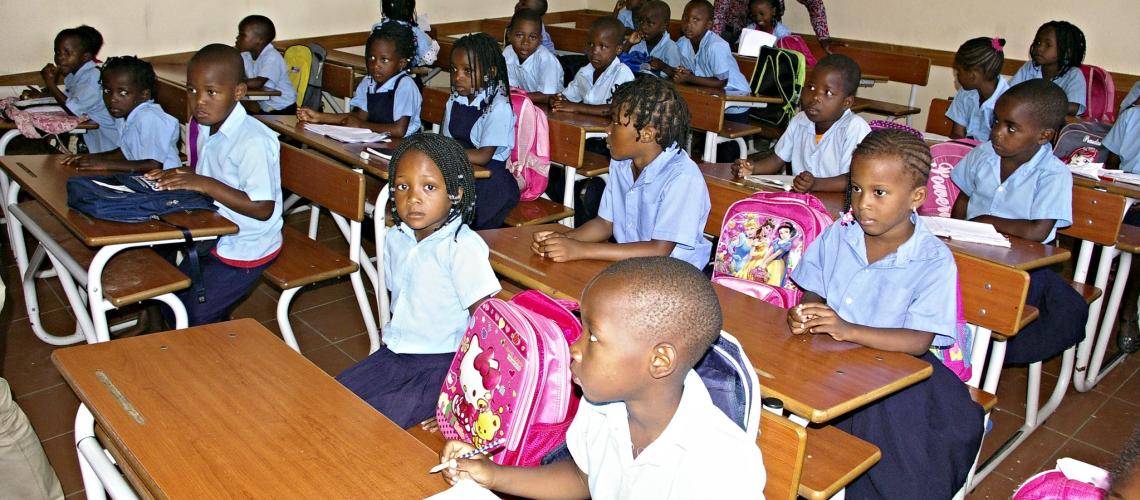
Research evidence suggests that pre-primary learning using a play-based approach benefits children and helps them to succeed in school. While both Rwanda and Mozambique have set ambitious targets for pre-primary education, enrolment continue to be low. Right To Play’s (RTP) Learning Through Play (LTP) method that is being implemented in primary schools in Ghana, Mozambique, and Rwanda show positive changes in teachers, parents and children. Its implementation at pre-primary level in Ghana also show promising signs. This research will gather robust evidence on LTP use in early childhood education (ECE) settings in Mozambique and Rwanda, to assess its benefits, and potential as a low-cost and contextually appropriate solution for scale up.
This project will use action research and pre- and post-assessment of the implementation of the LTP in ECE centers. Data will be collected using Focus Group Discussions with teachers, in-depth interviews with school leaders, observations of program activities, surveys administered to parents and/or primary caregivers, and learning assessment of children. It will inform how gender-responsive and play-based learning approaches can be introduced in pre-primary education and how this contributes to shaping gender norms, life skills and learning outcomes.
This project will be implemented by a consortium led by Three Stones International Rwanda LTD, in collaboration with Right to Play (Canada), and Cambridge Education (UK) in Rwanda and Mozambique.