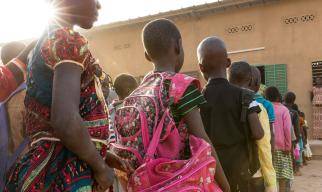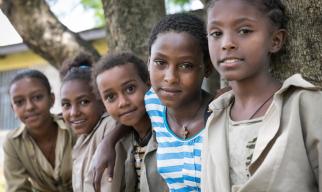
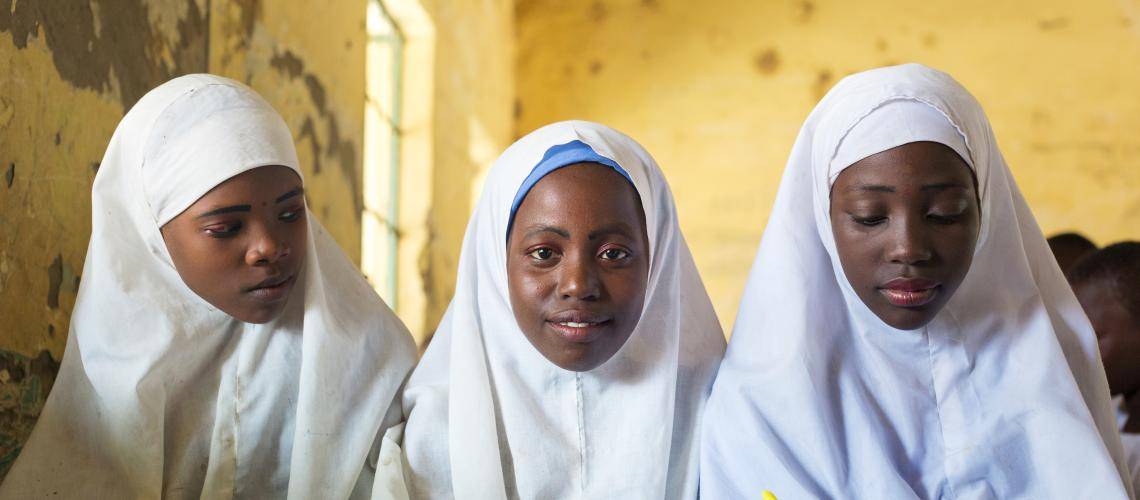
Education is one of the most powerful and proven vehicles for sustainable development. However, there are 258.4 million out-of-school children with one-third of this population living in sub-Saharan Africa. The COVID-19 pandemic has exacerbated the situation because schools have been closed and many more children are likely to drop out of school. Girls continue to face the greatest barriers that hinder their access to school. As part of measures to achieve SDG 4, governments in sub-Saharan Africa, in partnerships with non-governmental organisations have been implementing various interventions to increase participation in basic and secondary education. These interventions include adapting alternative education models to provide literacy and numeracy skills to out-of-school children, as evidenced in Uganda, Ghana and Nigeria. Accelerated Education Programs (AEP) have emerged as one of the key innovations for providing alternative education because; firstly, they are designed to be flexible, age-appropriate and are run on accelerated timeframes. Secondly, they offer holistic forms of education that contribute to higher confidence levels and cognitive well-being of beneficiaries. Lastly, they are inclusive as they pay attention to girls and children with disabilities. Evaluations of AEP models in Congo, Mali, Burkina Faso and Nigeria have demonstrated their role in improving reading, verbal skills and basic mathematics skills in children. However, there is insufficient knowledge and evidence about the scalability of AEPs into policy in rural and conflict prone contexts.
The proposed study seeks to generate lessons to enhance the scalability of AEPs in rural and fragile contexts in Ghana, Nigeria and Sierra Leone. The project will conduct an analysis of four ongoing innovations in the four targeted countries and their impact over the years. These innovations include the School for Life Complementary Basic Education Project, the Strategic Approaches to Girls Education (STAGE) Project, Addressing Education in Northeast Nigeria (AENN) and the Purposeful-Girls Circles project in Sierra Leone. The comparison of these four programmes will entail investigating the effectiveness of each model in reaching large populations of out-of-school children, particularly in areas where trained teachers have difficulty working due to lack of security. The project will also conduct an analysis of these models in increasing access to education for girls and children with disabilities, and the transition and retention of these children in formal schooling. The project’s intended outcome is a strong evidence base on the effectiveness of AEP and girls’ focussed education programming across extremely rural poor and emergency contexts.
A comparative study of accelerated education programs and girls’ focused education models in Ghana, Nigeria, and Sierra Leone
Project Abstract
Implementing Organizations: Associates for Change (AFC) (Lead), Centre for the Study of the Economies of Africa (CSEA), Dalan Development Consultants (DDC)
Project Leader:Leslie Casely-Hayford
Implementing Countries: Ghana, Nigeria, Sierra Leone
Main Theme: Gender equality, Out-of-school Children and Youth
Duration: 31 months
Updates and Activities