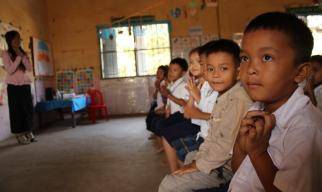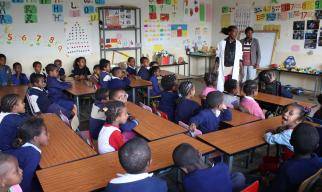
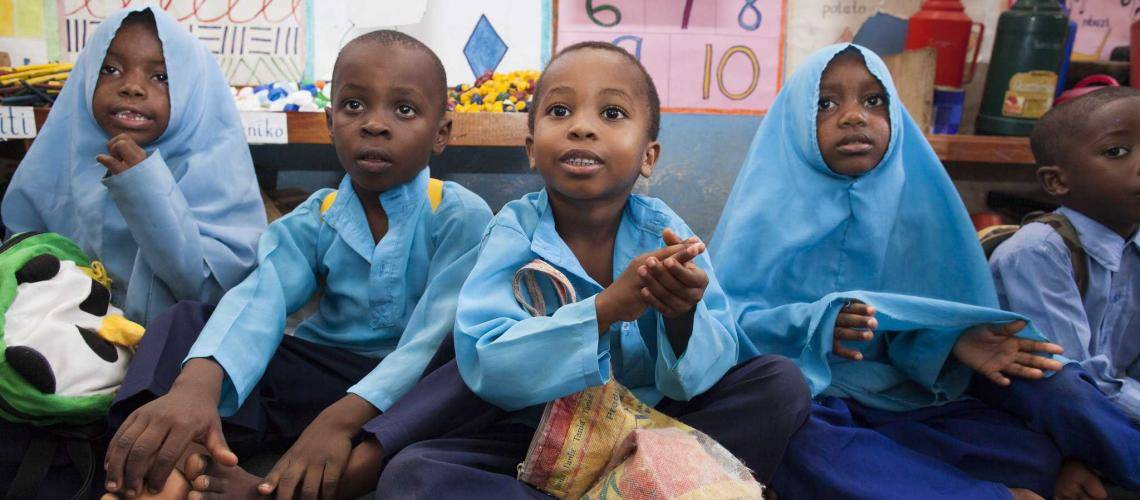
Exposure to pre-primary education not only prepares young children to succeed in school and in life, but it also improves the efficiency and effectiveness of education systems, enables the participation of caregivers in the labour force, and contributes to the country’s economic development. Currently, 175 million children do not have access to pre-primary school education.
As a response to this challenge, this project aims to adapt, test, and scale up an accelerated summer pre-primary education model in Cambodia, Laos, and Tanzania. This project features a ten-week intensive pre-school program to prepare children for Grade 1. The model includes parent education and outreach, nutrition and hygiene modules, and gender-responsive teaching-learning and parenting approaches integrated across activities. The current project builds upon the experiences of pilot-testing this accelerated summer pre-primary model through a four-year project by Plan International in Laos called LEARN. In the current project, called Learn Plus, the model will be adapted to include a specific and deeper focus on gender equality and inclusion before being rolled out in all three countries.
The objective of the project is to enhance the capacity of ministries of education in Tanzania, Laos, and Cambodia to adopt evidence-based, quality, gender-responsive early childhood education programs for vulnerable girls and boys in underserved communities.
The consortium of institutions that will undertake this project include Plan International, Canada (lead institution), The Mother Child Education Foundation, and the American Institutes of Research.
The project was selected through a global call, initiated by the Global Partnership for Education Knowledge and Innovation Exchange, that aims to scale the impact of proven educational innovations in developing countries.
Project Stats